Life After Caregiving: The Shape of Recovery

When caregiving ends, most of us expect relief or rest. What often arrives instead is disorientation — a sudden quiet, a loss of identity, and a grief that feels heavier than we imagined. In my conversation with caregiving advocate Christina Keys in the podcast episode called “Caregiver Recovery: Redefining Normal and Moving Forward“, we explore what recovery truly looks like in the “after.”
Christina cared for her mother for ten years after a catastrophic stroke. Overnight, she became every role her mother needed — medical, emotional, logistical — without training or preparation. She left her career, spent her savings, and rebuilt her life around caregiving. And yet, she says she’d do it all again.
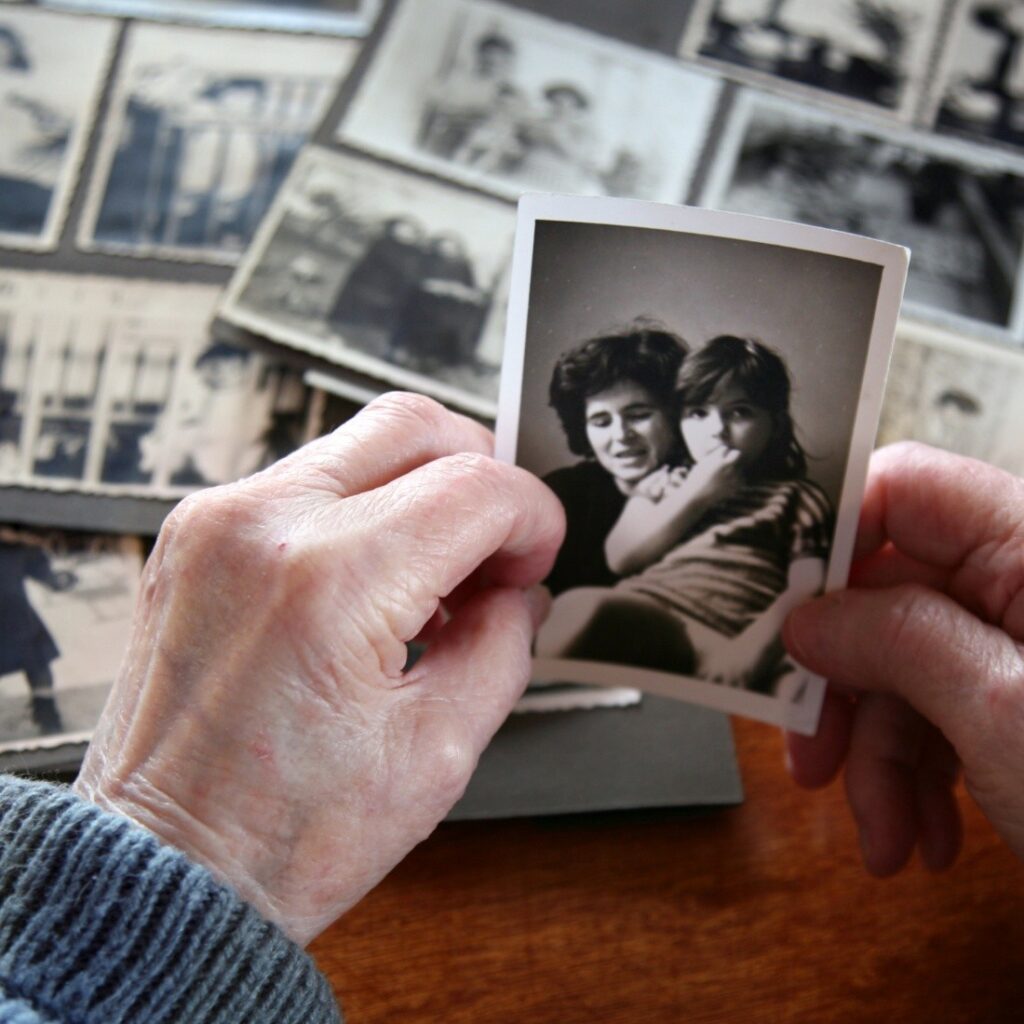
One of the most powerful parts of her story is how she helped her mother relearn to speak. The hospital’s flashcards didn’t connect, so Christina created her own — 300 photos from her mother’s life. Her mother came back for love, not stick figures.
When her mother died, Christina believed she was ready. She had done grief counseling, had an end‑of‑life doula, and had walked through anticipatory grief. However, nothing prepared her for the ‘after’. She wasn’t ready for the crash out of fight‑or‑flight, the sleeplessness, the reflexive panic when the phone rang, or the realization that she had made herself invisible for a decade.

She didn’t know who she was without caregiving.
So she rebuilt. Slowly. Gently. To help her make decisions on what to do, she created jars filled with small ideas — foods to try, places to visit, simple joys she had postponed. She rediscovered freedom in unexpected ways: a date where her phone stayed in her purse, a hike where she didn’t need to rush home. Joy felt complicated. Freedom felt complicated. Both were part of recovery.
Christina now leads the Caregiver Recovery Program and a peer‑led support group for those navigating life after caregiving. She teaches that recovery has no timeline and no stages. It’s not linear. It’s a slow reacquainting with yourself — emotionally, physically, spiritually, financially, socially.
Her message to caregivers is simple and profound: “You’re doing an amazing job.”

And her favourite quote captures the heart of this chapter:
“Stop waiting for the light at the end of the tunnel, and light it up yourself.”
Life after caregiving is not about returning to who we were. It’s about becoming who we are now — shaped by love, loss, resilience, and the quiet beginnings of a new life unfolding.
For more on caregiver recovery, here is Christina’s website, and for more of our conversation, please listen to the podcast episode.